What Defines High Quality Marijuana Flower? A Connoisseur's Guide
For anyone who has spent time around craft cannabis, the difference between average bud and truly exceptional flower is immediately obvious. It is not just about potency, though that matters. It is about the whole experience: the aroma, the texture, the way it burns, and the clarity of the effect. As someone who has watched the market evolve from baggy basement deals to a refined industry, I have learned that high quality marijuana flower is defined by a handful of non-negotiable traits. Let me walk you through what to look for, whether you are buying from a local shop or exploring curated bundles online.
Start with the Senses: Sight, Smell, and Touch
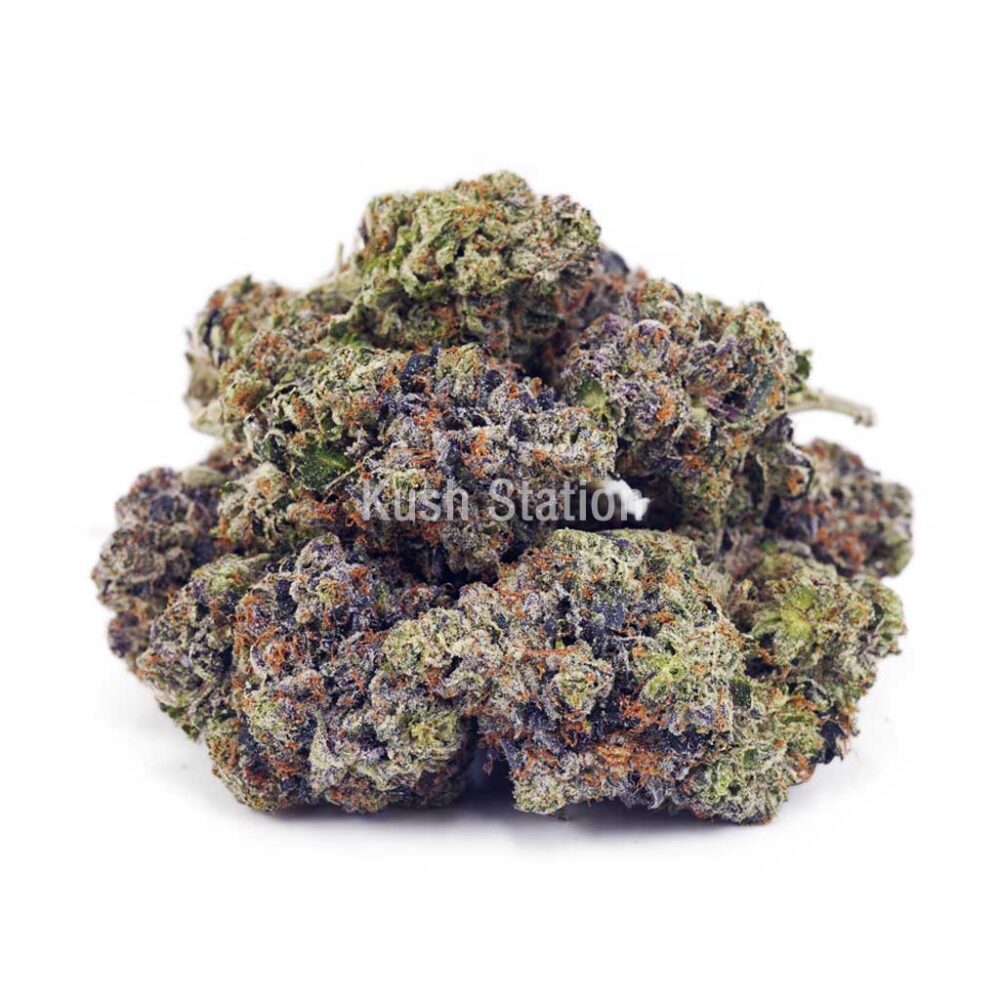
The first thing any experienced buyer does is drop a fresh lab test results sheet and actually look at the flower. High quality marijuana flower should be dense but not rock hard, with visible trichomes that glisten like morning frost. These tiny resin glands are where the cannabinoids and terpenes live. If the bud looks dusty or pale, it likely sat too long or was handled roughly. A good grower knows that preserving those trichomes is part of the art.
Then there is the smell test. I have lost count of how many times a budtender has passed me a jar and said, "Just smell this." That first whiff tells you more than any label. A proper terpene profile should be distinct and complex: citrus, pine, earth, maybe a hint of diesel or berry. If the flower smells like hay or grass clippings, it was likely dried too fast or cured poorly. That is a red flag. Freshness is vital here; the aroma of craft cannabis should be loud and layered, not faint or musty.
Finally, touch. The bud should feel slightly springy, not bone-dry or sticky wet. When you gently squeeze a piece, it should hold its shape and not crumble into dust. This tactile check is something a connoisseur does without thinking. It is a shortcut to gauge whether the grower respected the harvest and storage process.
Growing Conditions: Where Quality Begins
You cannot fake good genetics. The best flower starts with healthy soil, careful light cycles, and patient growers who do not rush the plant. Many top-tier producers now use organic soil methods and avoid synthetic additives that can leave harsh residues. That is one reason I pay close attention to where flower is grown. For example, craft cannabis grown in Oregon has a reputation for being raised with attention to terroir, similar to wine. The climate and soil there lend themselves to robust plants with deep flavor profiles.
Small-batch flower often outperforms mass-produced cannabis for a simple reason: the grower can monitor each plant. In a large facility, plants are treated like crops. In an artisanal harvest setting, they are treated like individuals. That attention leads to better trichome development and a more balanced cannabinoid profile. It also means the flower is less likely to contain mold, pests, or leftover fertilizer salts. When you buy from a source that emphasizes small-batch flower, you are paying for that level of care.
Lab Results and Transparency
Reputable sellers now provide lab test results with every batch. This is not just a marketing gimmick. A proper lab report tells you the exact percentages of major cannabinoids like THC and CBD, as well as minor compounds that influence the overall effect. It also confirms that the flower is free of contaminants like mold, heavy metals, or residual pesticides. When I see a brand like Trulieve or a listing on Leafly that includes a certificate of analysis, I trust that the grower stands behind their work. High quality marijuana flower should always come with this kind of documentation, especially if you are buying online without smelling it first.
That said, numbers are only part of the story. Two strains with identical THC percentages can feel completely different. That is where the entourage effect comes into play: the interaction of all the cannabinoids and terpenes together. A rich terpene profile with a good balance of myrcene, limonene, and caryophyllene can make a strain more relaxing or more uplifting, regardless of its THC number. So while lab results are helpful, they are not the final word. Your own experience is what matters most.
Indica, Sativa, Hybrid: A Starting Point, Not a Rule
The old classification system of indica, sativa, and hybrid is still useful as a rough guide, but it is not definitive. Many strains today are hybrids, and their effects depend more on their specific genetic lineage and how they were grown than on the broad category. I have had sativa-dominant strains that knocked me out and indicas that gave me energy. The key is to pay attention to the terpene profile and the grower's reputation rather than relying solely on the label. A good budtender will ask you what kind of experience you want and then recommend based on that, not just on whether the strain is classified as indica or sativa.
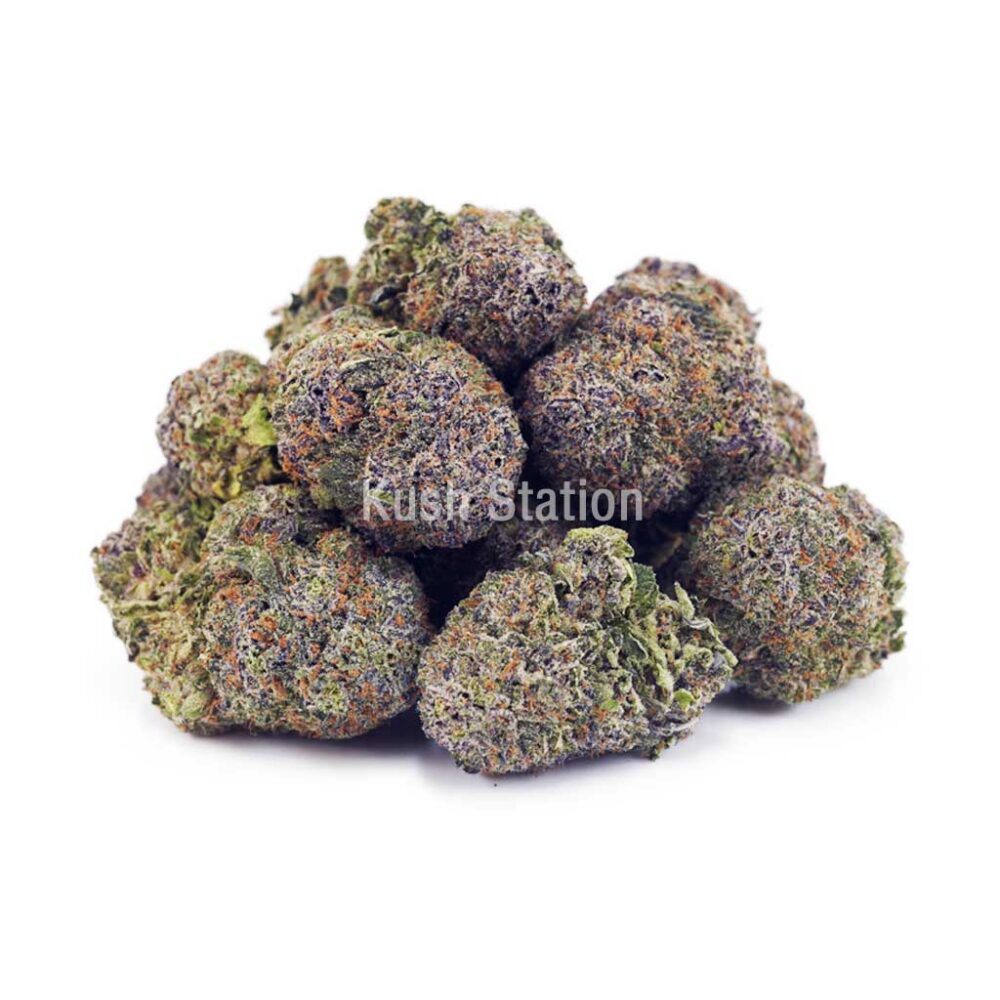
When browsing an online store like Kush Station, you will often see flower sorted by these categories, but the real value lies in the details: the grower's notes, the harvest date, the lab results. A shop that emphasizes craft cannabis usually provides that level of detail because they know their audience is educated and expects it.
Storage and Freshness: What Happens After You Buy
Even the best flower can degrade quickly if it is not stored properly. Light, heat, and air are the enemies of freshness. Once you open a jar, the clock starts ticking. Ideally, keep your flower in an airtight glass container away from direct sunlight. Some people use humidity packs to maintain the ideal moisture level around 62 percent. This keeps the trichomes from drying out and the terpenes from evaporating. A vaporizer is a great way to experience the full flavor profile, since it heats the flower gently without burning off the delicate compounds. For the best results, grind your flower just before use, not ahead of time.
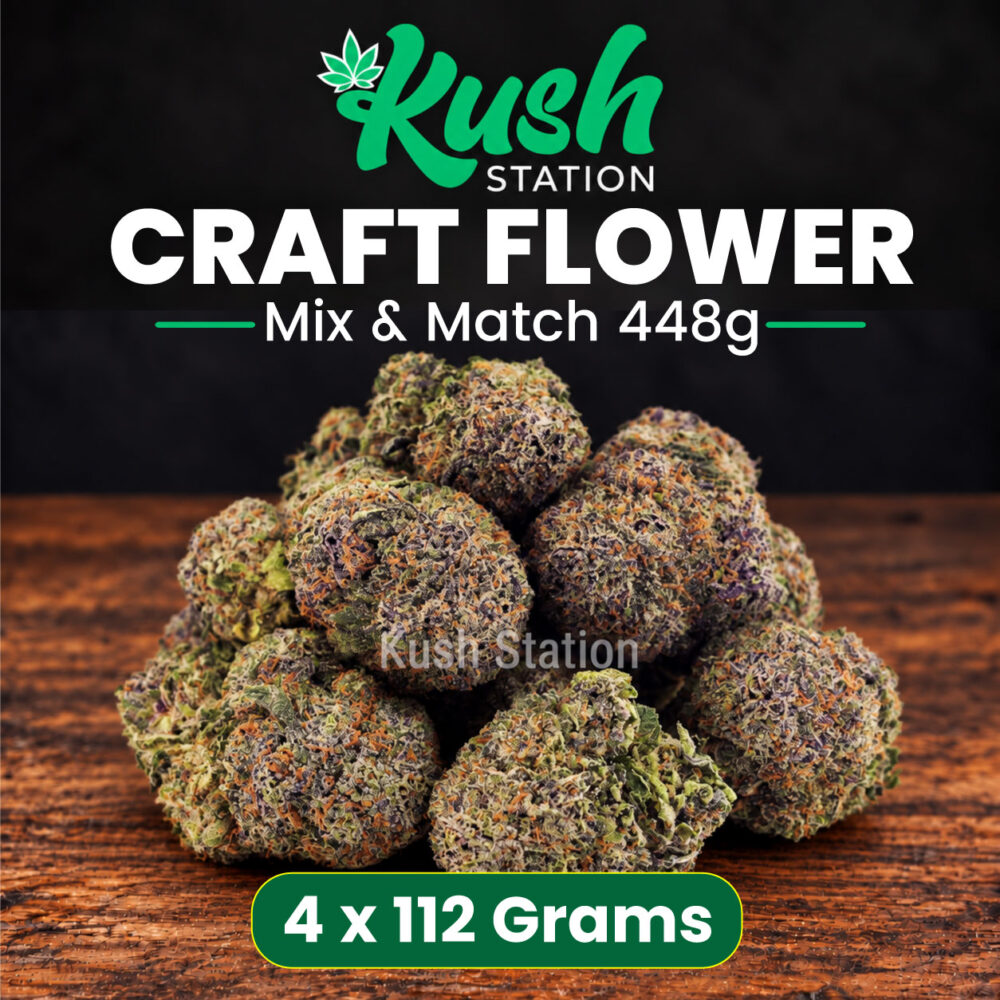
If you are buying in bulk or through curated bundles, consider how much you will realistically use in a few weeks. Buying a large quantity might save money, but if the flower sits around too long, it loses its vibrancy. That is why many connoisseurs prefer smaller, more frequent purchases from a trusted source. Freshness is one of the main reasons to seek out a shop that rotates its stock quickly and stores its products properly.
Putting It All Together: How to Choose
When you are ready to buy, here is a quick mental checklist I use:
- Look at the trichomes: Are they abundant and intact? If you can see them clearly, that is a good sign.
- Check the smell: It should be complex and strong, not faint or grassy.
- Read the lab report: Look for cannabinoid percentages and a clean bill of health.
- Ask about harvest date: Fresher is almost always better. Anything older than six months should be examined carefully.
- Consider the grower: Small-batch flower from a known source is usually worth the premium.
That list is not exhaustive, but it covers the basics. Over time, you will develop your own preferences and shortcuts. The goal is to find high quality marijuana flower that suits your taste and needs, not just what is popular or highly advertised.
Final Thoughts on the Search for Quality
The legal market has brought a flood of options, and not all of them are good. In some ways, it is harder now to separate the gems from the mediocre because there is so much noise. But the fundamentals have not changed. Great flower comes from careful growing, proper curing, and honest handling from farm to shelf. Whether you are buying from a local dispensary or an online outlet like Kush Station, the same principles apply. Trust your senses, ask for data, and do not be afraid to be picky. After all, this is a plant that rewards attention. The more you put into understanding it, the more you get out of it.
And if you ever find yourself staring at a jar of flower and wondering if it is worth the price, remember the smell test. That first impression rarely lies. High quality marijuana flower should grab your attention before you even light it. That is the sign of a grower who respects the plant and the person who will eventually enjoy it.